
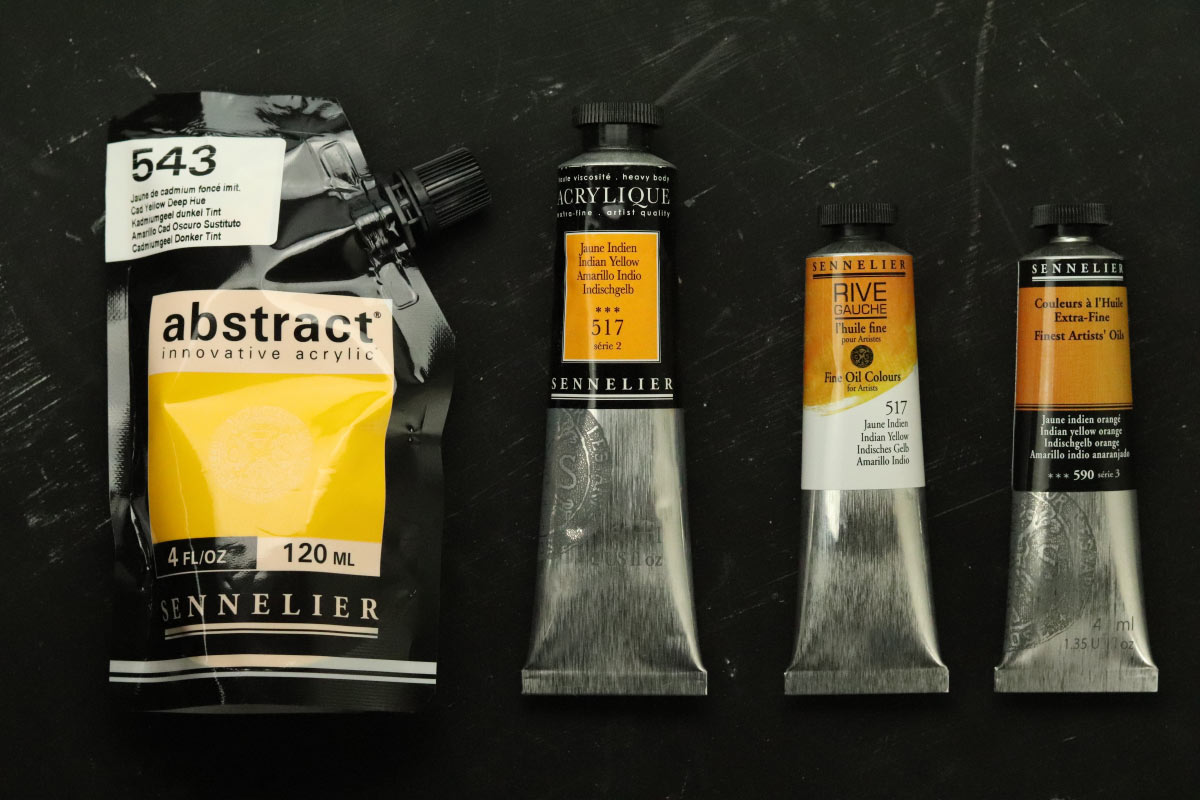
The choice between acrylic paints and oil paints is one of the most common questions faced by both beginner and experienced artists. Both painting mediums have a long history in art and offer excellent creative possibilities, but they differ significantly in terms of application, drying time, and the final visual result.
In this guide we will explore the key differences, advantages and disadvantages of each medium so you can choose the most suitable materials for your artistic style.
What are acrylic paints?
Acrylic paints are a modern painting medium based on pigments suspended in an acrylic polymer binder.
As the water evaporates, the paint dries quickly and forms a durable and flexible paint film on the surface.
Characteristics of acrylic paints
• Very fast drying time
• Can be diluted easily with water
• Suitable for many surfaces (canvas, paper, wood, wall, etc.)
• Easy to use and clean
Because of these characteristics, acrylics are often the first choice for beginner artists.
What are oil paints?
Oil paints are one of the most traditional and historically important painting mediums. Pigments are mixed with vegetable oils, mainly linseed oil, creating a rich and highly stable paint.
This technique has been used for centuries by many of the greatest painters in art history.
Characteristics of oil paints
• Slow drying time
• Excellent color blending capabilities
• Deep and rich color tones
• Ideal for fine detail and smooth gradients
The slow drying process allows artists to work on a painting for extended periods of time, which is a major advantage for many painting techniques.
Key differences between acrylic and oil paints
Drying time
Acrylic paints dry within minutes or hours, while oil paints can take several days or even weeks to fully dry.
This means acrylics are ideal for fast work and multiple layers, while oils allow extended blending and color manipulation directly on the canvas.
Mixing and blending
With oil paints, color blending is much easier because the paint stays wet for a longer period of time.
Acrylic paints require faster work, unless special retarders are used to slow the drying process.
Materials and cleaning
Acrylic paints can be cleaned easily with water, making them very practical for everyday use.
Oil paints usually require solvents or painting mediums, such as turpentine or other specialized materials.
Visual result
Oil paints often provide greater depth and richer color intensity, while acrylic paints produce cleaner and more vibrant color surfaces.
Each medium has its own aesthetic qualities and can be used for different artistic results.
Which medium is better for beginners?
For artists who are just starting out, acrylic paints are usually the easiest option because they:
• dry quickly
• do not require solvents
• clean easily with water
• are ideal for experimentation
Oil paints, on the other hand, offer greater control over blending and color transitions, but require more experience and longer working time.
Conclusion
Both acrylic paints and oil paints are excellent mediums for artistic expression. The choice between them mainly depends on the artist’s working style, available time, and the desired visual effect.
Acrylics are ideal for fast and versatile painting, while oil paints offer greater depth, traditional techniques and rich color rendering.
Many artists eventually experiment with both mediums to discover which suits their personal style best.
Materials you will need
To start painting with acrylics or oils you will need some essential materials:
• Canvas for your painting surface
• Paint brushes suitable for acrylics and oils